When the SYOK team stepped into the kitchen for an intimate Japanese Wagyu session, we quickly realised this wasn’t about the usual star cuts most diners are familiar with.
Instead, the focus was on what happens behind the scenes in professional kitchens, where chefs are increasingly turning to secondary cuts of Wagyu to unlock deeper flavour, structure and versatility.
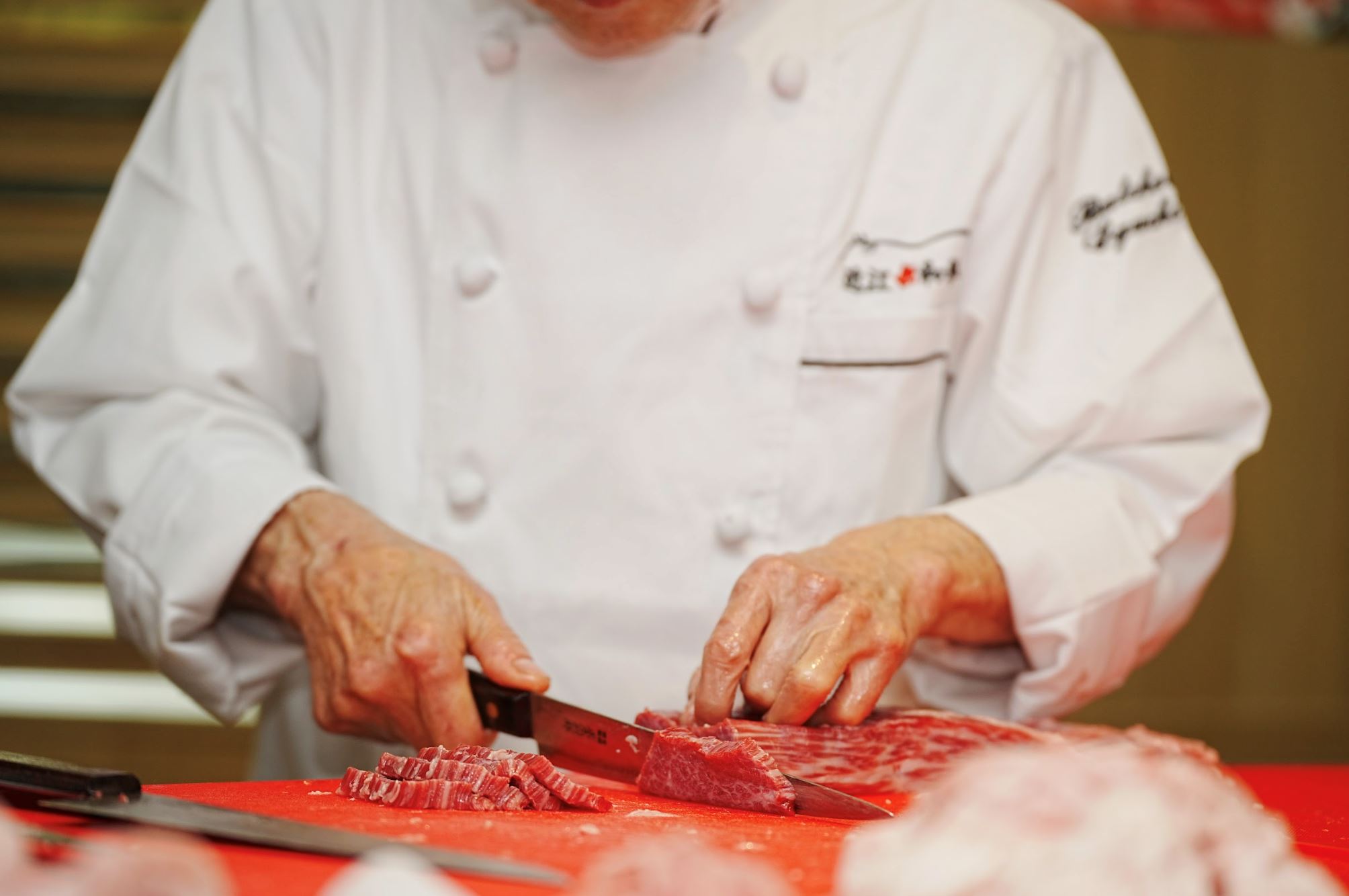
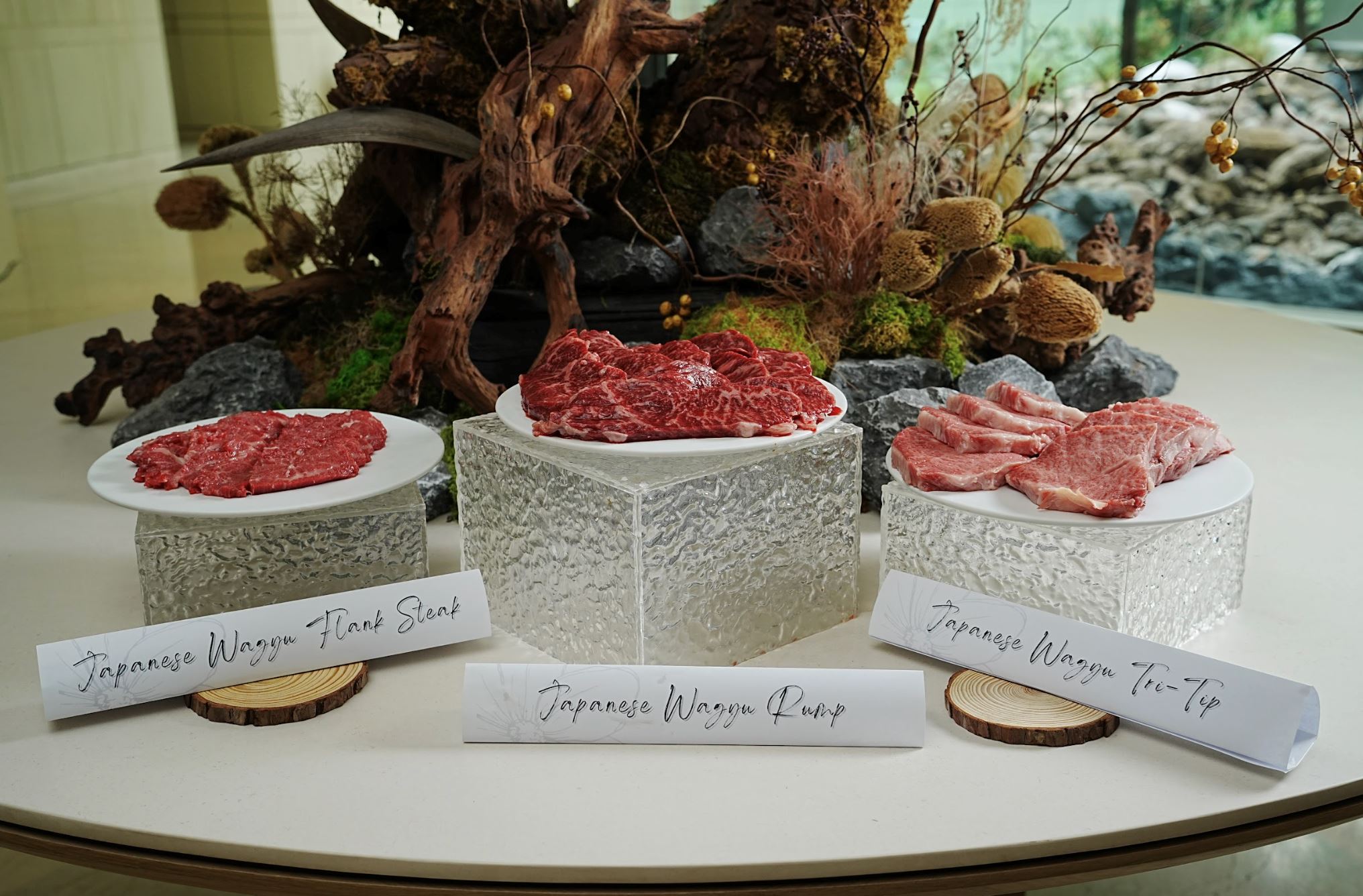
We watched as cuts like Chuck Flap, Tri-Tip and Oyster Blade took centre stage. These are not the names you usually see highlighted on menus, but in the right hands, they reveal a side of Japanese Wagyu that goes beyond indulgence. Prepared with the correct techniques, these secondary cuts offer pronounced flavour and texture, expanding how Wagyu can be understood and appreciated.
This shift in perspective is being actively supported in Malaysia by Lucky Frozen, the country’s leading distributor of high-quality imported food and a key player in the Halal protein market. Working alongside JETRO, or the Japan External Trade Organization, and culinary partners such as Potager, Lucky Frozen is helping chefs and the wider trade rethink how Japanese Wagyu can be applied in local kitchens.
During the session, we heard from James See, Business Development Director of Lucky Frozen, who shared that their role extends beyond distribution. “It’s not just about bringing Japanese Wagyu into Malaysia,” he explained. “It’s about helping chefs and the trade understand how to work with it properly.”
That philosophy came to life with the presence of master butcher Mr Kazuo Eguchi, a contributor to the Japanese Wagyu Association’s official Wagyu cutting guide. Watching him work was a masterclass in itself. From introducing lesser-known cuts to demonstrating the precise techniques required, his insights reinforced the importance of consistency, quality and long-term appreciation of Wagyu.
The growing global appetite for Japanese produce adds further context to this initiative. According to JETRO, exports of Japanese agricultural, fishery and food products reached 1,486.6 billion yen between January and November 2025, an increase compared to the previous year. During the same period, Japan’s beef exports to Malaysia were valued at 2.1 billion yen, making beef the top Japanese agricultural import into the country.
Koichi Takano, Managing Director of JETRO Kuala Lumpur, highlighted why this matters for the local culinary scene. “As interest in Japanese Wagyu continues to grow in Malaysia, it is important for us to support local chefs in their culinary innovations,” he shared. “By spotlighting secondary cuts, we create opportunities for creativity while offering a more economical way for consumers to experience Japanese Wagyu.”
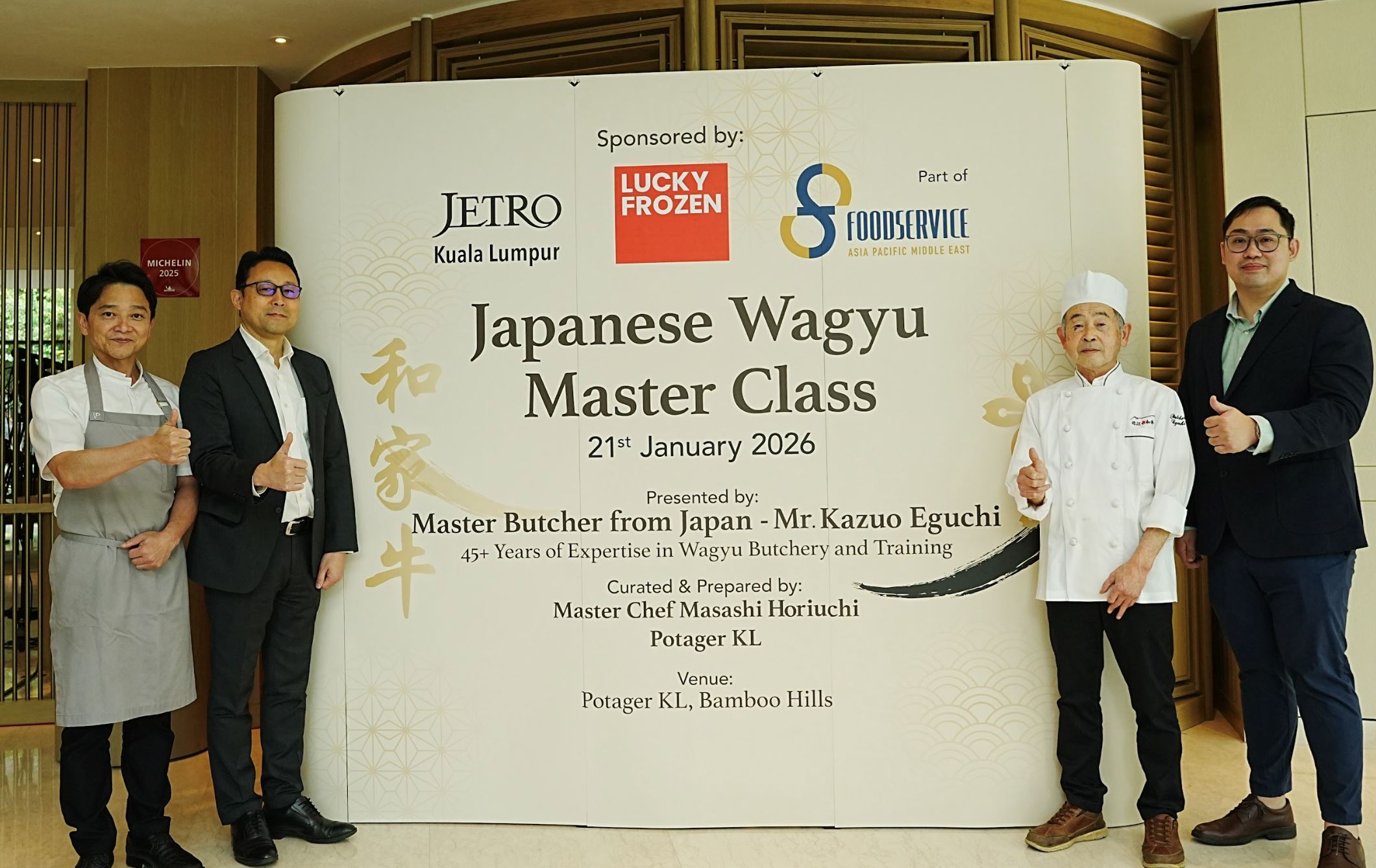
At the heart of this conversation is Potager, the modern French restaurant at Bamboo Hills led by Master Chef Masashi Horiuchi. Known for its ingredient-driven approach, Potager demonstrated how these secondary Wagyu cuts translate from muscle to plate. This is done not through excess, but through balance, technique and respect for the ingredient itself.
Seeing the process firsthand reinforced why these cuts are becoming increasingly relevant in contemporary premium dining. It is not about redefining Wagyu, but about understanding it more deeply.
By bringing together suppliers, industry bodies and chefs, Lucky Frozen, JETRO and Potager are shaping a more informed and practical approach to Japanese Wagyu in Malaysia. This approach broadens how Wagyu is used in professional kitchens and encourages a deeper appreciation for the cuts that do not always steal the spotlight, but deserve it just as much.
